VACSA Strategic Framework
From Mapping to Impact
A Five-Volume Framework for Building the Visual Arts Sector (2025–2030)
UNDERSTAND
Constituency & Ecosystem Mapping
Map the people, places, realities, and gaps of the visual arts sector across all 9 provinces.
2025–2026 (In Progress)
EQUIP
Toolkit & Sector Enablement
Turn mapping findings into tools, support systems, digital pathways, and practical opportunities.
2026–2028
SHIFT
Policy, Advocacy & Impact
Use evidence to influence policy, strengthen market access, and measure long-term sector change.
2028–2030
Click any volume to explore its milestones below
UNDERSTAND
Constituency & Ecosystem Mapping
Map the people, places, realities, and gaps of the visual arts sector across all 9 provinces.
2025–2026 (In Progress)
EQUIP
Toolkit & Sector Enablement
Turn mapping findings into tools, support systems, digital pathways, and practical opportunities.
2026–2028
SHIFT
Policy, Advocacy & Impact
Use evidence to influence policy, strengthen market access, and measure long-term sector change.
2028–2030
Tap any volume to explore its milestones
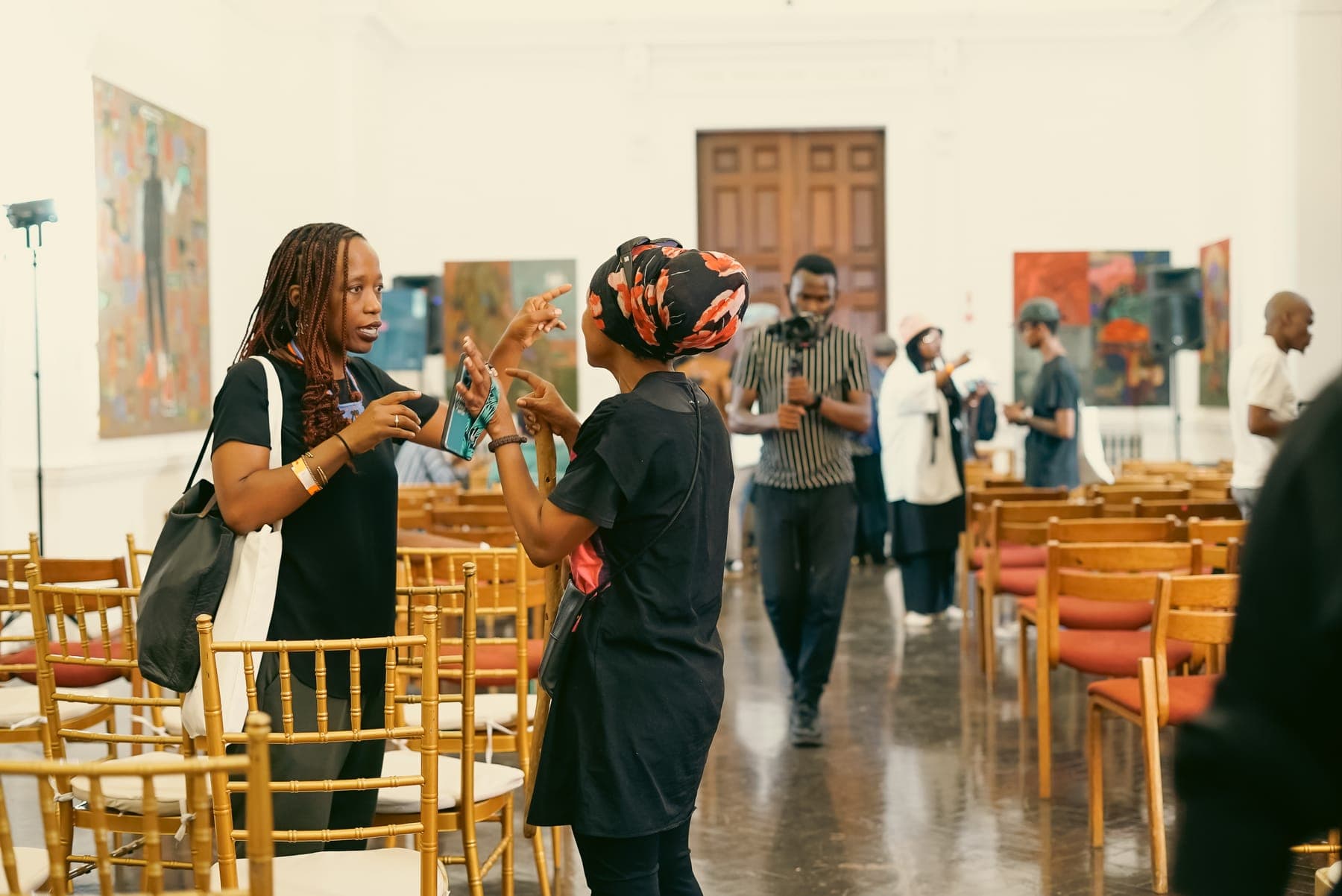

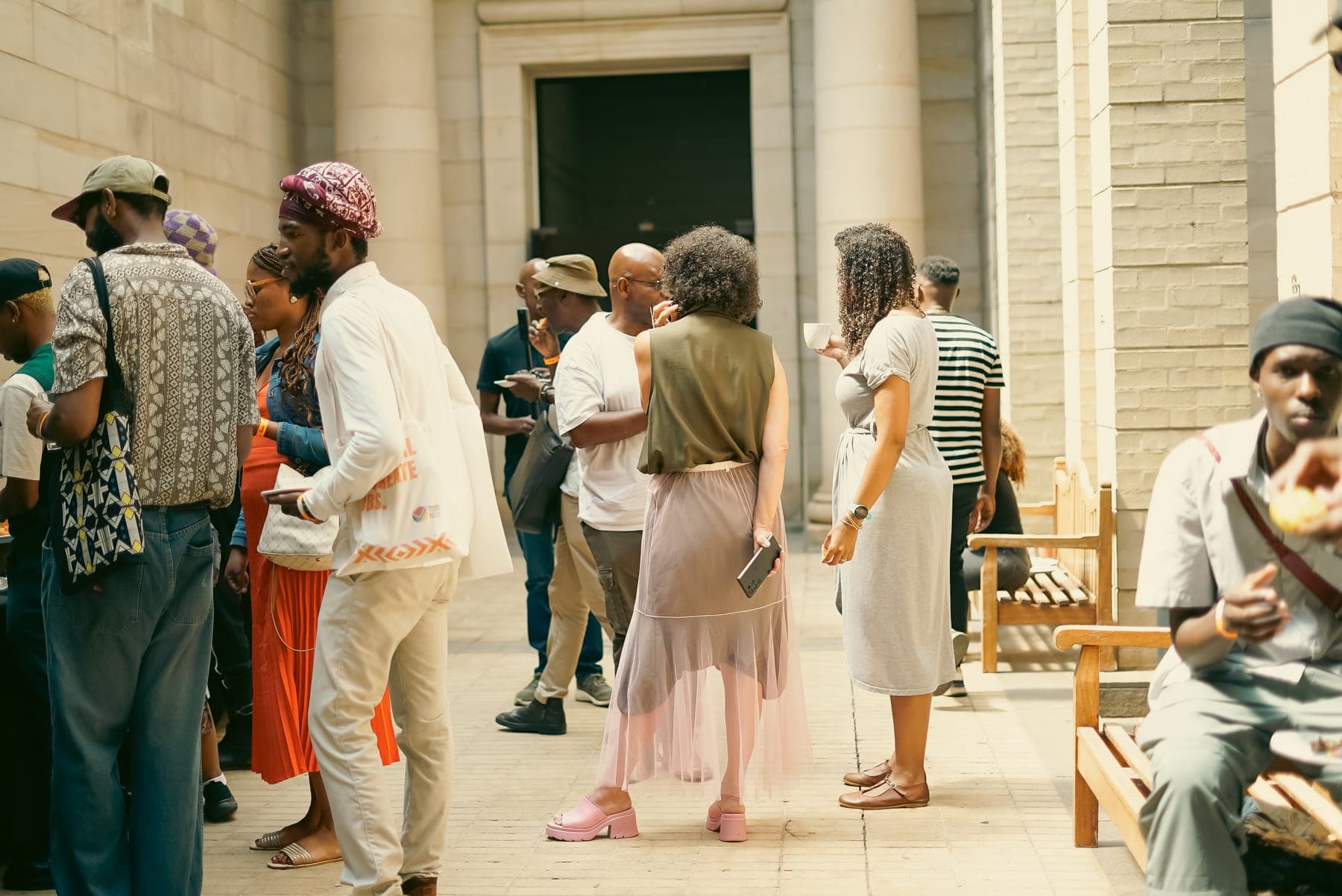
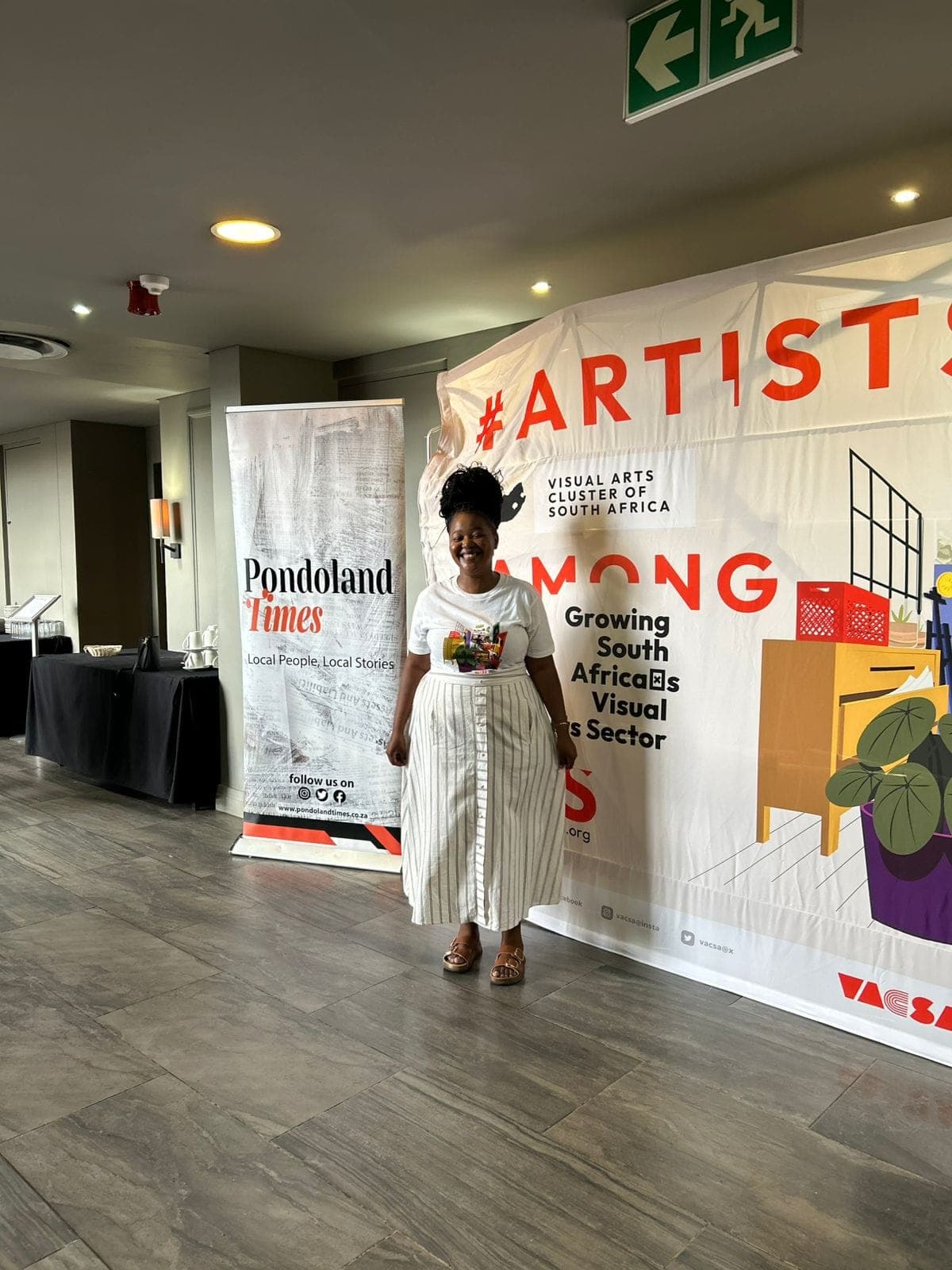
Mapping workshops: Volume 1 in action
Constituency & Ecosystem Mapping
Map the people, places, realities, and gaps of the visual arts sector.
Toolkit & Sector Enablement
Turn findings into tools, support systems, and practical opportunities.
Policy, Advocacy, Implementation & Impact
Use evidence to influence policy, strengthen systems, and track long-term change.
Why This Framework Exists
What the Andani Africa Survey Reveals
Gross value added by visual arts to the national economy. Growth happened despite limited support, not because of it
of visual arts practitioners have never applied for public funding. They can't access what they can't see
of practitioners spend more on their practice than they earn. The economics are structurally broken
of South African schools lack quality visual arts education. The talent pipeline is disappearing
Delivering Now: 2025/2026
Source: DSAC Memorandum of Agreement, July 2025
1,500+
Verified constituency database entries
Artists, galleries, organisations, and institutions mapped across South Africa
1
National Baseline Report
Consolidated evidence base from the provincial engagements for policy and funding
5+
Provincial department MOUs
Formal partnership agreements with Departments of Sport, Arts, Culture and Recreation
Total DSAC programme allocation: R2,000,000 (R1.4M programme delivery, R600K governance)
Strategic Horizon: 2025–2030
Source: VACSA Strategic Framework Vol. 01 of 05
National Visual Arts Distribution Network for market access
Accredited training pathways aligned to QCTO and CATHSSETA standards
Digital Innovation Labs established in each province
E-commerce marketplace for South African visual art
Visual Arts Sector Charter (like the Film transformation charter)
Biennial State of the Visual Arts Report
National Digital Archive and oral history platform
These are 5-year strategic aspirations from the framework, not current programme deliverables.
Five volumes. One road. From mapping to impact.