The Evidence Base
81% of visual artists have never
been seen by the system.
In 2023, Andani Africa, commissioned by DSAC, conducted the first comprehensive review of South Africa's visual arts sector since 2010. What they found was a community creating a R5.6 billion economy while being almost entirely invisible to support structures.
These numbers are not abstract. They represent artists in your community who deserve better. VACSA exists because of what this research revealed.
Methodology
The study used methods consistent with the original 2010 research to ensure comparability: a National Visual Art Survey (large-scale online, reaching more practitioners than the 2010 study), in-depth interviews with industry experts across provinces, and a desktop review of research reports, policy papers, and media sources. Three advisory groups supported the process: a reference panel, provincial guides, and partner organisations.
Key contextual factors: the impact of COVID-19, growing global interest in African art, and technological developments since 2010.
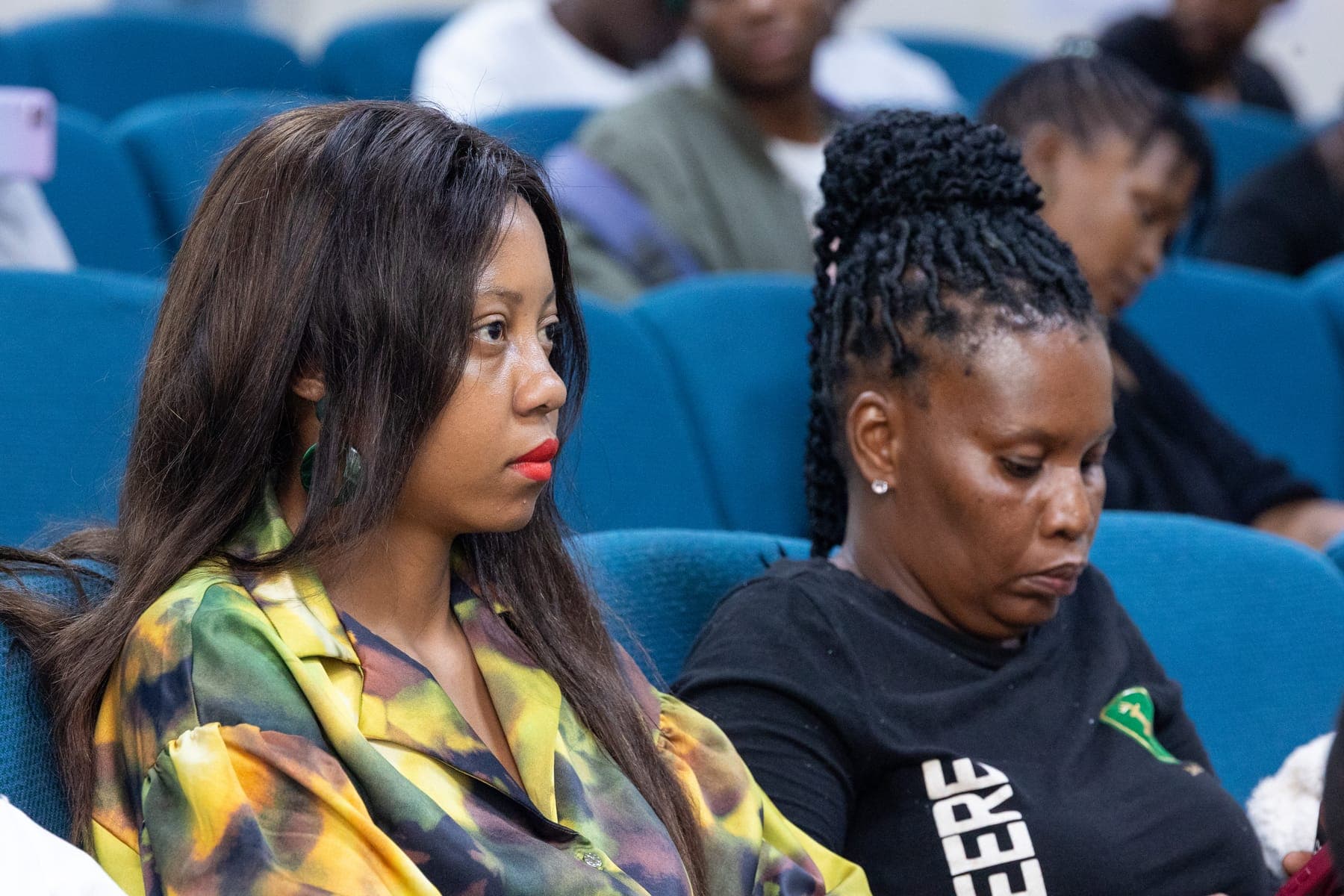
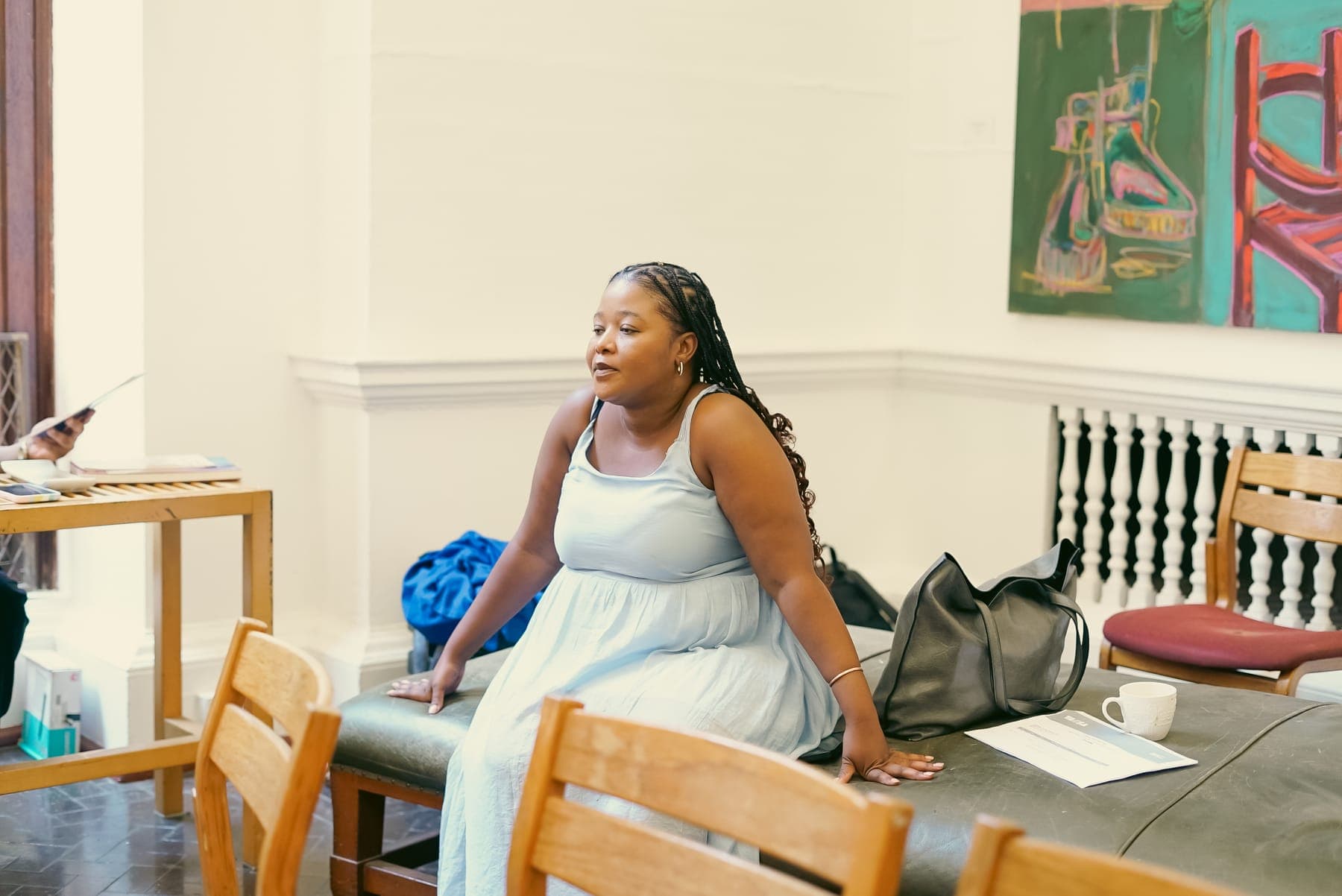
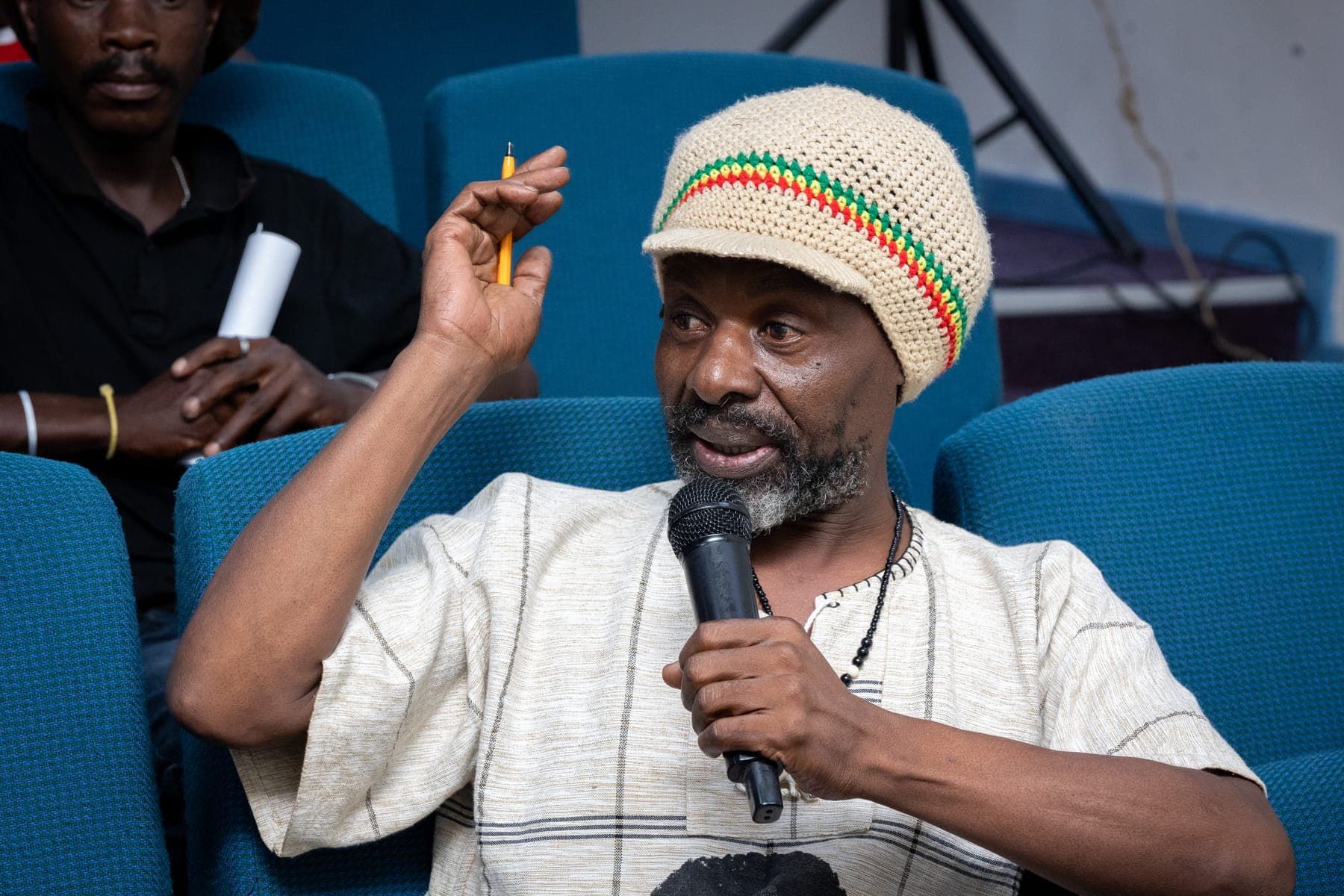
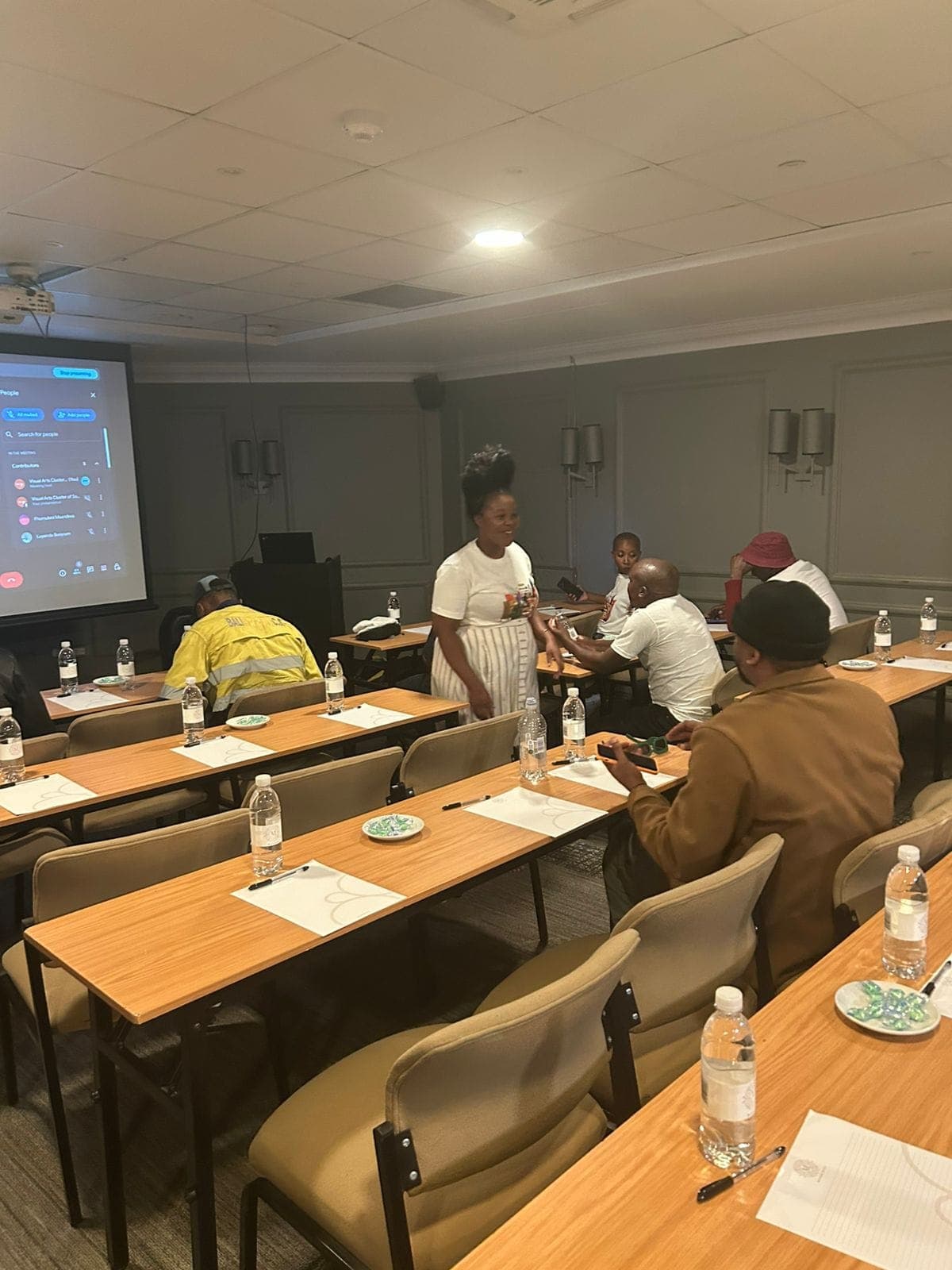
Constituency mapping workshops: the fieldwork behind the data
Key Findings
What the research revealed.
Each finding is presented with full context, followed by VACSA's response: the specific gap it reveals and what VACSA is doing about it.
Source: Andani Africa, National Visual Arts Review 2024
The total GVA of the creative and cultural industries was R161 billion in 2020, just under 3% of South Africa’s GDP. The visual arts sector contributed R5.6 billion to the national economy, with direct sector turnover growing from R1.8 billion in 2010 to R2.6 billion in 2023, a 46.6% increase.
VACSA's Response
VACSA exists to build the coordinating infrastructure that makes this economic contribution visible, sustainable, and inclusive. Without a sector body, this R5.6 billion economy operates without coordination, representation, or a unified voice.
Source: Andani Africa, National Visual Arts Review 2024
Andani estimates approximately 21,000 visual arts practitioners work across South Africa. This is a sector-level projection based on survey data and extrapolation, not a verified headcount. The majority work in the informal economy, outside formal networks, digital platforms, or institutional support.
VACSA's Response
VACSA’s constituency mapping programme is building the first verified national database of practitioners. The DSAC programme target is 1,500 verified entries by March 2026, not to replace this estimate, but to begin turning it into evidence.
Source: Andani Africa, National Visual Arts Review 2024
The average annual income rose from R105,000 in 2010 to R180,000 in 2024. This represents approximately 4% year-on-year growth, which is slightly below average inflation in South Africa. In real terms, practitioners are earning less than they were 14 years ago. Artists are spending less time on their craft and earning less in purchasing power.
VACSA's Response
VACSA’s 5-year strategic framework includes market access and commercialisation as a core pillar: expanding distribution networks, supporting artist cooperatives, and building domestic and international buyer pipelines. Sustainable income requires infrastructure, not just talent.
Source: Andani Africa, National Visual Arts Review 2024
81% of survey respondents indicated they had never applied for funding. Of the 19% who did apply, only 9% were successful. Application compliance remains a key hindrance, especially for organisations. Arm’s length funding bodies have duplicated and overlapping roles. The Mzansi Golden Economy initiative is perceived as not adequately visible.
VACSA's Response
VACSA will surface funding opportunities through the platform, reduce compliance barriers by providing templates and guidance, and advocate for simplified application processes. The constituency database itself becomes an evidence base for why the sector needs more accessible funding.
Source: Andani Africa, National Visual Arts Review 2024
Nearly half of visual arts practitioners spend more on their practice than they earn from it. This is a sustainability crisis: artists are subsidising their own work, often through non-arts employment, with no institutional support for the gap.
VACSA's Response
VACSA’s artist development spectrum (5 tiers from Foundation to Professional) is designed to create structured pathways toward financial sustainability, connecting artists at each stage to the resources, mentorship, and market access they need.
Source: Andani Africa, National Visual Arts Review 2024
77% of South African schools lack quality visual arts education. There is a mismatch between available arts educators and the skills required. While practitioners themselves are largely educated beyond matric (many to postgraduate level), the pipeline from school to sector is fundamentally broken. There is no clear path from schooling to tertiary to the world of work in visual arts.
VACSA's Response
VACSA’s strategic framework includes advocacy for visual arts as a critical part of the basic education curriculum, and partnerships with QCTO and CATHSSETA for accredited training pathways that create a real pipeline into the sector.
Source: Andani Africa, National Visual Arts Review 2024
The global fine art market has seen significant international shifts toward African contemporary art, with South Africa serving as the gateway market. Galleries remain precarious (below R2 million turnover). 75% of practitioners sell their work in some form, but only 21% see galleries as their primary sales channel. There is significant reliance on international buyer bases, and a need for new patron development.
VACSA's Response
VACSA’s market access pillar aims to build a national distribution network, expand the domestic collector base, and support international participation, ensuring that the 300% global growth in African art benefits South African practitioners, not just the international auction houses.
Source: Andani Africa, National Visual Arts Review 2024
Independent art spaces are no longer functional, meaning there is no space for experimental work for emerging artists before entering the commercial market. State-run Community Arts Centres have encountered various challenges and are no longer utilised for cultural purposes. There is a lack of Community Arts Centres with a clear focus on visual arts. Most arts organisations make less than R1 million annual income.
VACSA's Response
VACSA’s decentralised provincial workshop model works through existing community infrastructure (halls, libraries, schools, faith-based spaces) rather than depending on failing institutional spaces. The provincial engagement workshops are building new networks where old infrastructure has collapsed.
Source: Andani Africa, National Visual Arts Review 2024
The research found a strong emphasis towards performing arts (theatre, dance, and music) to the detriment of inclusion of other disciplines across DSAC initiatives. Visual arts is underrepresented in programme design, funding frameworks, and support structures despite its significant economic contribution.
VACSA's Response
VACSA is the sector’s answer to this bias. As a formal DSAC partner under the MOA, VACSA ensures visual arts has a seat at the table, not as an afterthought within performing arts frameworks, but as a distinct sector with its own coordinating body, evidence base, and policy voice.
Andani's Recommendations to DSAC
Six recommendations for sector transformation.
Review ArtBankSA
Reorient toward hire, leasing, and commissioning models with public and private sector clients.
Review International Promotion Strategy
Full audit of actions supporting international promotion of the visual arts, including those by the DTIC.
Refocus DSAC Strategies
Broader realignment to ensure visual arts is adequately represented.
Strengthen Funding Access
Support greater visual arts participation in existing funding, grants, incentives, and SMME support programmes.
Implement Artist Resale Right (ARR)
Apply international best practice to ensure secondary market sales benefit original artists.
Strengthen Visual Arts in DSAC
Ensure visual arts is active and represented across the full spectrum of DSAC initiatives, not siloed into performing arts frameworks.
Source
A Review of the Assessment of Visual Arts in South Africa
Research conducted by Andani Africa for DSAC, 2024
Presented to DSAC: 26 May 2025